
Jewellery Valuations for Insurance Guide
Imagine you got engaged 25 years ago, and your engagement ring cost £8,000.
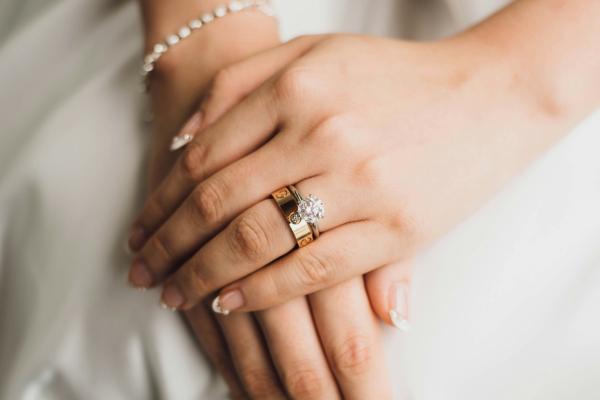
You’ve worn it almost every day since, but recently it’s become a little loose. One day, it slips off your finger and you can’t find it. Losing something with that much sentimental value would be upsetting enough. But what if you hadn’t insured it?
Not only would you have lost a ring that means so much to you, but replacing it could cost considerably more than the £8,000 you originally paid. Over 25 years, the cost of precious metals, gemstones and jewellery making can change significantly. Or perhaps you did insure the ring, but your last valuation was 10 years ago. If its replacement value has increased since then, the amount you insured it for will no longer cover the full cost of replacing it.
If you’d arranged an up to date insurance valuation and insured the ring appropriately, your policy could help replace or recreate it, depending on its terms. That’s why jewellery valuations matter. They establish what it would cost to replace your jewellery today, helping you arrange insurance that reflects its current value.
So, what type of valuation do you need, and how often should you update it?
Key Points
- Insurance valuations establish replacement value, not resale value. What you could sell your jewellery for isn’t necessarily what it would cost to replace.
- You should revalue your jewellery every three to five years. Some insurers require updated valuations as a condition of cover, so always check your policy.
- Choose a suitably qualified jewellery valuer. Look for someone with relevant qualifications and experience, particularly if you own antique, bespoke or unusual pieces.
- A valuation alone doesn’t mean your jewellery is insured. You also need to check that your policy provides enough cover and meets your insurer’s requirements.
What Is a Jewellery Valuation for Insurance?
A jewellery valuation for insurance tells you what it would cost to replace your jewellery following a loss, theft or damage beyond repair. This differs from a resale valuation, which considers how much someone might pay to buy your jewellery.
The replacement cost depends on the type of jewellery you own. For example, a valuer may assess a modern engagement ring based on the cost of buying a comparable new ring. However, if you own an antique necklace, they’ll consider what it would cost to find a similar antique piece.
Bespoke jewellery can be different again, especially if replacing it would mean recreating the original design.
A professional valuer will examine your jewellery and consider its replacement cost today. They’ll take into account whether it’s a modern piece, an antique or something bespoke, as this can affect its value.
What Are the Different Types of Jewellery Valuations?
Not all jewellery valuations serve the same purpose, so it’s important to understand which one you need.
Some of the most common types include:
- Insurance valuation: Establishes what it would cost to replace your jewellery for insurance purposes.
- Resale valuation: Estimates what you might receive if you sold your jewellery, which is often less than its replacement cost.
- Probate valuation: Establishes an item’s open market value at the date of death for estate administration and inheritance tax purposes.
- Auction valuation: Estimates what your jewellery might achieve at auction.
If you’re having your jewellery valued for insurance, make sure you tell the valuer what you need it for. That way, they’ll assess its replacement cost rather than what you might receive if you sold it.
Why Are Jewellery Valuations Important for Insurance?
An accurate valuation helps you understand how much cover your jewellery needs. Without one, you could insure an item for less than it would cost to replace, particularly if its value has changed.
The Financial Ombudsman Service has published a case involving a gold bracelet with an insured value of £4,500. When the owner lost the bracelet, its estimated replacement cost had risen to approximately £8,500. The insurer offered £4,500. The Ombudsman didn’t uphold the complaint because the insurer had explained the importance of keeping valuations up to date.
This shows why it’s worth reviewing your jewellery valuations regularly. Even with insurance in place, an outdated valuation could leave you with a significant gap between the amount insured and the replacement cost.
How Often Should You Have Your Jewellery Valued?
As a general guide, you should have your jewellery valued every three to five years. However, insurers have different requirements. Some high value home insurance policies require you to update your valuations every five years as a policy condition.
It’s important not to assume your insurer will remind you when a new valuation is due. Even if your policy requires regular valuations, you may be responsible for keeping them up to date.
If you’re unsure whether your existing valuation is still acceptable, speak to your broker or insurer. They can explain your policy’s requirements and whether you need to arrange a new valuation.
Precious metal prices, gemstone values and manufacturing costs can all affect the cost of replacing jewellery. You may also need a new valuation sooner if you’ve acquired new pieces, altered a piece or its replacement value has changed significantly.
How Do You Find a Qualified Jewellery Valuer?
You don’t need to know how to assess the value of your jewellery yourself. It’s important to find someone with the right experience and qualifications to do it for you.
Look for a qualified valuer who understands the type of jewellery you own. They should also be able to provide a detailed written report for insurance purposes.
The National Association of Jewellers (NAJ) provides guidance on jewellery valuations and information about its Institute of Registered Valuers. This can be a useful starting point when looking for a professional.
It’s also worth asking your insurer whether they have specific requirements for the valuer or the information in the report.
What Happens During a Jewellery Valuation?
When you take your jewellery to a valuer, they’ll examine the item and assess its replacement cost.
They’ll look at details such as the materials, gemstones, design, condition and craftsmanship. If you have an antique or unusual piece, they’ll also consider any relevant information about its age or origin. The valuer may ask you to bring your original purchase receipt, previous valuations or gemstone certificates. These documents can help them understand more about your jewellery.
Once they’ve completed the assessment, you should receive a written report. This will usually include a description of your jewellery, photographs, the valuation date and its assessed replacement value.
Keep this report somewhere secure, along with any receipts or supporting documents. Having these records available can make things easier if you ever need to make a claim.
Does Having a Valuation Mean Your Jewellery Is Insured?
No. A valuation establishes the replacement value of your jewellery, but you also need to check that your home insurance provides enough cover.
Start by checking the overall jewellery and watch limits in your policy. If you own several valuable pieces, consider their combined replacement value rather than just the value of each item.
Your insurer may also set limits for individual items. If a piece exceeds that limit, you may need to declare it separately so your insurer can include it in your policy. However, a standard home insurance policy may not be the most suitable option if you own a substantial jewellery and watch collection.
For example, Hiscox offers specialist high value home insurance for customers with jewellery and watches worth more than £100,000 in total. Under that policy, you don’t need to list individual items worth less than £25,000 separately. This is where high value home insurance may be worth considering. Specialist policies can offer higher limits and protection designed for more valuable possessions.
It’s also important to check whether your insurance protects your jewellery when you wear it outside your home or take it abroad. Your insurer may have security requirements you need to follow too.
An accurate valuation helps you understand the replacement value of your jewellery. Knowing your policy limits is just as important when making sure you have the right protection.
Helping You Protect Your Valuable Jewellery
Whether you’ve recently purchased an engagement ring, inherited a family heirloom, been gifted pieces or owned valuable jewellery for years, it’s worth reviewing your insurance. This helps you check that it still reflects the replacement value of your jewellery.
At Robison & Co, we’ll help you understand what your home insurance includes, whether you need to declare any items individually, and what your insurer’s requirements are when it comes to valuations.
Whether you’re arranging insurance for the first time or looking for better protection for your valuable possessions under your home and contents insurance, we’ll take the time to understand what you own and what matters to you. You’ll have a dedicated broker who can explain your options and help you find insurance that suits your needs.
If you’d like to review your jewellery insurance or discuss protecting your valuable possessions, call us on 01730 265500 or email hello@robison.co.uk.