
Kevin Shilling
4 months ago
Working in construction comes with risks that can change from one project to the next. Damage to a project or building materials, stolen tools, an accident on site or a claim from a client could all have an impact on your business.
The insurance you need will depend on the work you do, the projects you take on and the risks you face. At Robison & Co, we’ll take the time to understand your business and help you put the right protection in place.
Construction projects can involve employees, subcontractors, plant and machinery, building materials and other businesses working on site. If something goes wrong, it could lead to delays, additional costs or a claim against your business.
A project or its materials could be damaged before it’s finished. Tools, plant or machinery could be stolen, or an employee or member of the public could be injured. Depending on the services you provide, you could also face a claim relating to professional advice, an error or a design you’re responsible for.
The risks can also change from one project to another. Your contracts may set out certain insurance requirements, so it’s important to understand what you’re responsible for before starting a project.

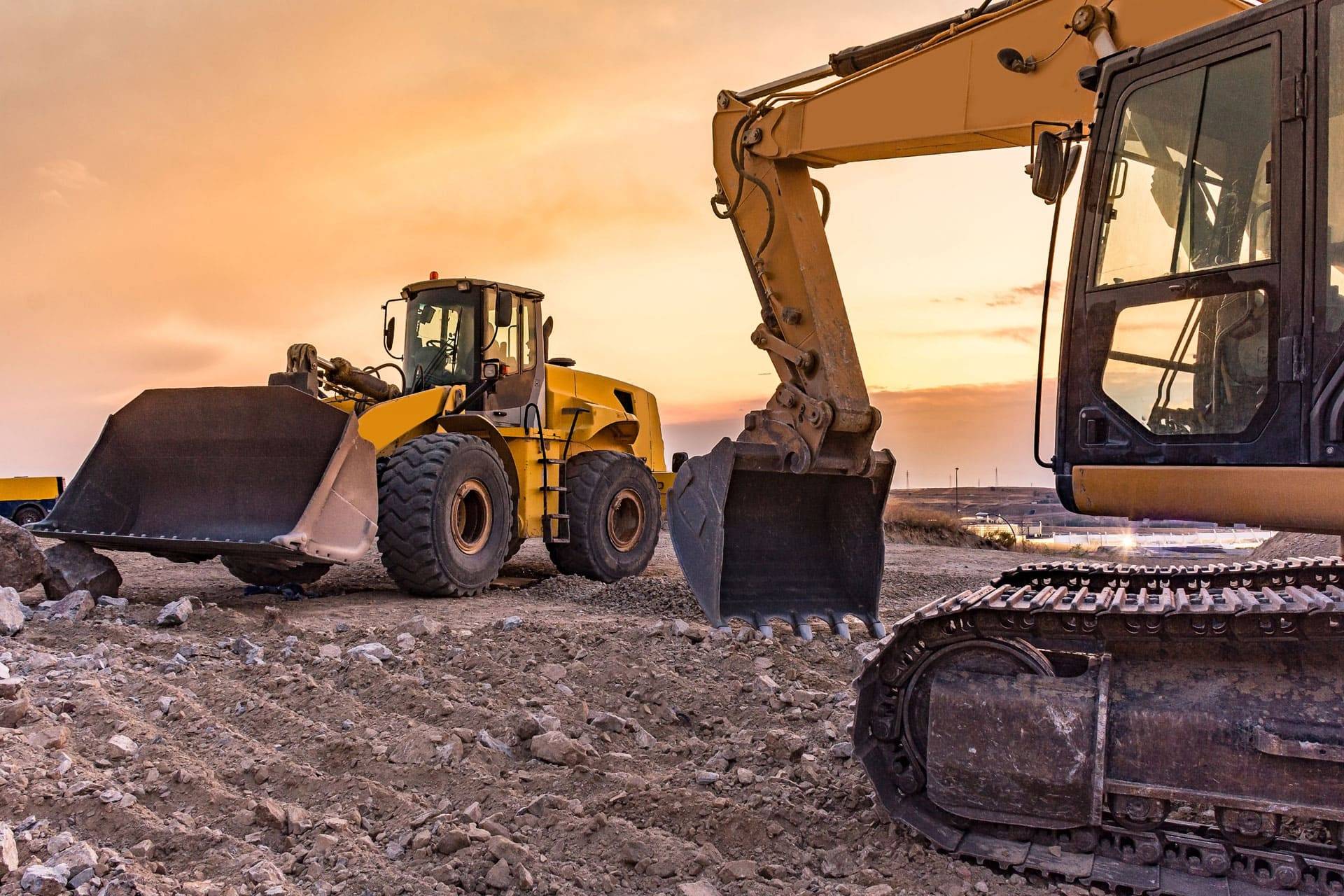
Whether you’re a contractor, builder, developer, subcontractor or work in a specialist trade, your insurance should reflect the way your business operates.
A self employed tradesperson won’t necessarily need the same protection as a construction company with employees, plant and machinery, and several projects underway. The work you do, the equipment you use and the responsibilities you take on can all affect the insurance you need.
That’s why it’s important to consider your business and projects individually, rather than assuming the same cover will suit every construction business.
The insurance you need will depend on your business, the work you do and the risks you face. Some types of cover may be legally or contractually required, while others will depend on how your business operates.
Here are some of the insurance policies you may need to consider:
Protects against claims relating to professional advice, errors or designs that you’re responsible for.
Covers claims if a member of the public is injured or their property is damaged because of your business activities.
A legal requirement if you employ staff. Protects you against claims if an employee becomes ill or is injured because of the work they do for you.
Covers the construction work itself and its materials against risks such as theft, loss or damage before the project is completed.
Protects plant and machinery you own or hire against risks such as theft or damage.
Covers your tools against risks such as theft, loss or accidental damage, helping you replace essential equipment and get back to work.
Other types of insurance, including commercial vehicle, cyber, business interruption and legal expenses cover, may also be worth considering depending on how your business operates.
If you’re unsure, please contact us, and one of our brokers will assess your risks and help you decide which cover is right for your business.
Knowing you need insurance is one thing. Knowing which policies you need, how much cover is right and whether you’ve met the insurance requirements in your contracts can be harder.
The risks you face change depending on the projects you take on and the responsibilities you agree to. This means the insurance that’s right for one construction business may not be right for another.
You shouldn’t have to work that out alone. At Robison & Co, you’ll have a dedicated broker who’ll get to know your business, explain your options clearly and help you find cover that fits. And if you ever need to make a claim, we’ll be there to support you through it.

The right insurance starts with understanding your business, the projects you take on and the risks you face.
Speak to Robison & Co, and we’ll help you work out what cover you need to protect your business, equipment and projects.
Some types of insurance, like employer’s liability insurance, are legally required if you employ staff. Others, such as public liability insurance and contract works insurance, are strongly recommended to protect your business from significant financial risks.
If you are unsure what policies you should take out to meet your individual needs, please contact us and one of our brokers will review your risks and recommend a plan of action.
Yes, professional indemnity and public liability policies can be tailored to cover multiple projects to guarantee you protection across your whole portfolio.
Contract works insurance can be tailored to provide cover for subcontractors, but they may also need their own policies for specific risks. Contact us below to discuss your options.
If you take out a tools insurance policy, then you are covered for theft or accidental damage, meaning you can claim for the theft to help you get back to work with less delay.
However, It is important to speak to a broker regarding your specific situation as there are certain theft exclusions that may apply and criteria that must be met regarding the storage and whereabouts your tools are stored overnight.
Construction businesses are increasingly reliant on digital systems to manage projects, communicate with clients and subcontractors, store sensitive information and process payments. This means a cyber incident can affect much more than your IT. It could stop work, delay projects, expose sensitive data or result in financial loss.
Cyber insurance can help protect your business against these costs and provide specialist support to help you respond and recover following an incident.

4 months ago
These guys are simply the best! Their understanding of my requirements, their diligence in getting sensible and rational quotes, and their all round professionalism makes Robinson & Co a top team, the best team. I use Robinson & Co for property insurance, restaurant cover and business travel. If they flew aircraft, I'd fly with them.

5 months ago
I have insured my car with Robisons for over 30 years now, says it all really, top notch service at all times !!!!

7 months ago
Robisons have now been our Insurance Broker for some years and continue to provide and excellent service at all times. Thank you Maria particularly

7 months ago
Danny and the team were fantastic! Friendly, efficient and speedy response times, thank you!

7 months ago
Been a customer for many years, always satisfied with the help, advice and service given during this time.

8 months ago
Great service, easy company to deal with, sorted out our business insurance. Will certainly be using them again.

9 months ago
Simon has been great, managed to get me indemnity insurance and office insurance with better cover and cheaper than I had been offered elsewhere. Smooth, friendly and efficient process. Perfect outcome!

10 months ago
Marie was extremely professional and handled the issue of insuring my late father’s house with tact, sensible questions and an effective result! Thank you

11 months ago
Helped me with business insurance as my current provider were playing silly games. I like the fact Danny could interrogate the policy wording to ensure I was properly protected. Thank you for all your time and help.

12 months ago
Marie made renewing my home insurance surprisingly easy. She was friendly, efficient and completely discreet throughout, which I really appreciated. Nothing was too much trouble and the whole renewal process felt straightforward and stress-free thanks to her help.